Southern California fulfillment planning

Los Angeles 3PL and Fulfillment Services

Connect the port handoff, warehouse process, marketplace requirements, parcel demand, and returns plan before placing inventory in Southern California. FHU evaluates the operating data first, then scopes whether the Commerce location should be a primary West Coast node or one part of a wider network.

Start with the freight and order profile

When Los Angeles belongs in a fulfillment design

A Los Angeles-area address can be useful, but location alone does not determine the best 3PL plan. The stronger analysis connects inbound release, receiving, inventory placement, marketplace work, parcel delivery, wholesale requirements, and returns.

01

Imports enter through Southern California

The Port of Los Angeles is a major container gateway, but a port arrival is not warehouse inventory. A workable plan assigns customs, release, drayage, appointments, chassis and container responsibilities, carton data, and exception ownership before freight moves inland.

02

West Coast demand is measurable

Order history should show whether customers actually concentrate in California and nearby states. Destination ZIPs, parcel weights, selected service levels, promised dates, surcharge exposure, and return origins are more useful than a broad claim about faster delivery.

03

Marketplace inventory needs preparation

FBA and FBM programs can require labels, packaging, carton content, forwarding appointments, merchant-fulfilled inventory, and exception handling. Those rules should be mapped by SKU and channel before stock arrives.

04

Wholesale and direct orders share stock

Retail routing guides, case packs, pallet labels, appointments, direct-to-consumer orders, and allocation rules can compete for the same inventory. A location plan should define channel priority and replenishment before peak volume exposes conflicts.

05

Returns need a West Coast disposition path

Returned units may need inspection, photos, grading, restock, quarantine, refurbishment, or disposal. The process should state who decides the disposition, when inventory status changes, and how the commerce platform receives the result.

06

A second node must earn its complexity

A West Coast node can reduce distance for some orders, but it also divides safety stock and adds transfer, forecasting, and replenishment work. FHU compares the parcel opportunity with the inventory and operating cost of a multi-node model.

Use the port gateway without skipping the handoffs

Container volume creates options, not automatic speed

The Port of Los Angeles reports 10.2 million container units for calendar year 2025 and identifies Northeast and Southeast Asia as its largest foreign trade routes. Those facts explain why importers evaluate Southern California, but they do not predict a brand's transit time or total cost. Terminal availability, customs release, drayage, free time, appointments, receiving capacity, and inventory data can each change the result.

The warehouse plan starts after freight is released

Before a container or air shipment moves to Commerce, the operating plan should identify the importer of record, customs broker, freight forwarder, drayage provider, appointment owner, seal and document checks, carton identifiers, expected quantities, and the response to shortages or damage. FHU scopes the receiving and fulfillment handoff; it does not replace the legal or customs responsibilities assigned to other parties.

Current order data decides where inventory belongs

Some catalogs belong in one controlled node. Others benefit from a West Coast and East Coast split. The model should compare order destinations, units per order, weights, carrier services, channel demand, return origins, replenishment lead time, safety stock, transfer cost, and the operational cost of stockouts. The recommendation should follow those inputs rather than a generic two-day map.


Import-to-order workflow

Define every owner from release to delivery

A port-adjacent strategy is only as strong as its handoffs. FHU structures discovery around five decisions that connect international inventory, warehouse execution, marketplace work, and customer delivery.

STEP 01

Map the inbound chain

Document origin, incoterms, importer and broker roles, release data, transport mode, appointments, free-time exposure, and expected receiving records.

STEP 02

Profile the catalog

Record SKU count, dimensions, weights, case packs, identifiers, bundles, fragile items, storage constraints, marketplace rules, and handling exceptions.

STEP 03

Model inventory placement

Use destination history, channel demand, seasonality, replenishment lead time, safety stock, and transfer costs to compare one-node and network options.

STEP 04

Design execution rules

Set receiving tolerances, inventory controls, pick and pack instructions, FBA prep, wholesale routing, carrier handoffs, escalation, and return dispositions.

STEP 05

Normalize the economics

Compare receiving, storage, labor, packaging, freight, parcel, returns, support, minimums, implementation, and exception charges on the same assumptions.

Capabilities to confirm

Scope the service around the catalog and channel

These are FHU service areas to evaluate during solution design. Their inclusion here is not a blanket promise that every product, workflow, carrier, or compliance requirement is available at the Commerce location. The operating proposal confirms the final location and scope.

E-commerce fulfillment

Receiving, inventory controls, pick and pack rules, packaging, carrier handoff, tracking, and exception management for direct orders.

Explore service

FBA and FBM preparation

Marketplace labeling, prep, carton requirements, forwarding, merchant-fulfilled orders, inventory visibility, and exception handling.

Explore service

B2B and wholesale

Case and pallet workflows, retailer routing guides, labels, documents, appointments, replenishment orders, and allocation rules.

Explore service

Kitting and repackaging

Bundles, multipacks, inserts, relabeling, quality checks, subscription assemblies, and controlled work instructions.

Explore service

International shipping support

Operational coordination around imported inventory and outbound shipments, with importer, customs, duty, eligibility, and brokerage roles defined separately.

Explore service

Returns operations

Authorization inputs, inspection criteria, photos, grading, restock, quarantine, refurbishment instructions, and inventory-status updates.

Explore all services
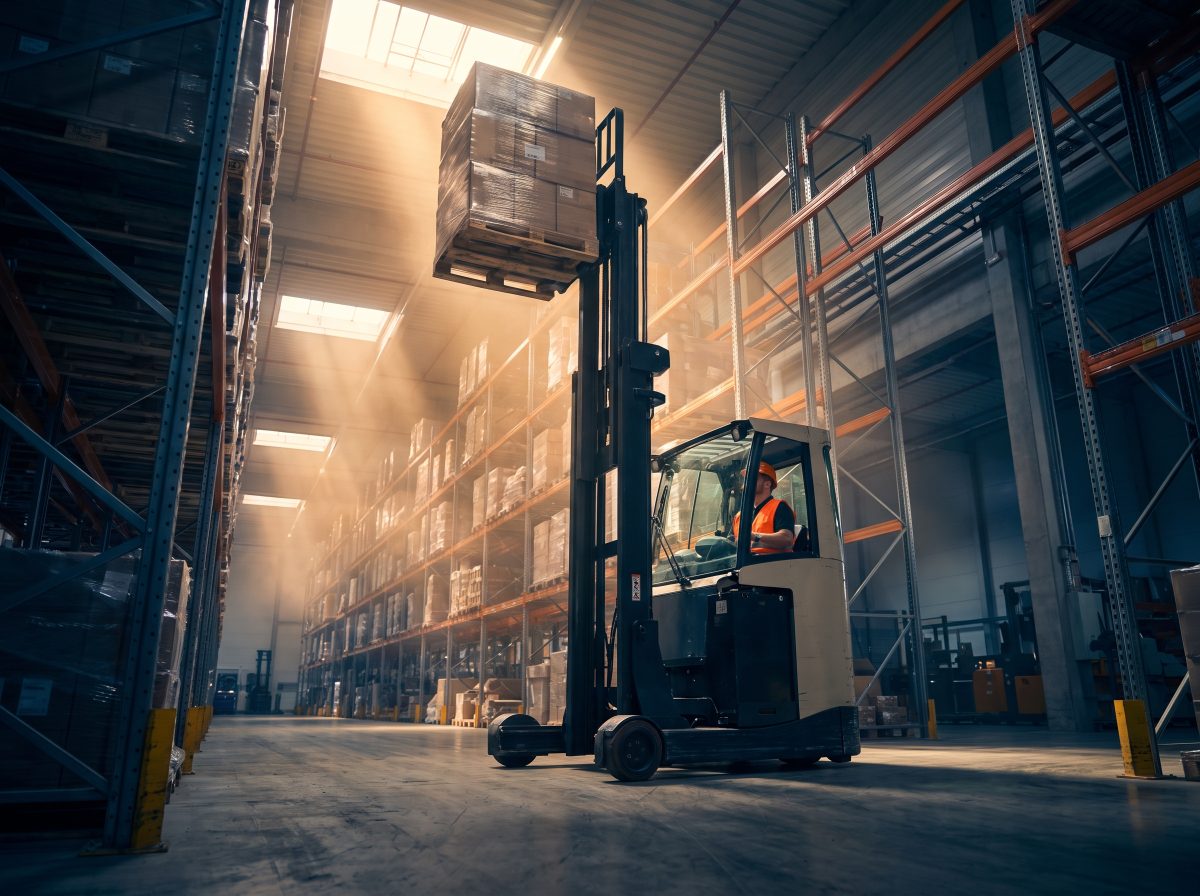
Forklift moving a pallet in a Fulfillment Hub USA warehouse workflow
Representative FHU operations imagery. The exact Commerce workflow and eligible services are confirmed during solution design.

Inventory placement

Choose control, coverage, or a measured balance

Inventory location changes parcel distance, but it also changes forecasting and working capital. FHU compares three practical models against the same demand and cost inputs.

One West Coast node

Concentrated inventory can simplify receiving, cycle counts, launch management, and replenishment. It may fit brands whose customers, wholesale accounts, or imports are already concentrated in the western United States.

Los Angeles plus an eastern node

A bi-coastal model can reduce distance for stable regional demand, but it requires allocation rules, safety stock, transfers, and a response when one location sells through faster than forecast.

Another primary node with West Coast support

If western volume is still developing, a different primary location may preserve control while the team measures demand. The design can be revisited when order history and replenishment economics justify a change.

Comparable operating cost

Price the complete West Coast workflow.

A useful Los Angeles quote states what happens before, inside, and after the warehouse. Give every provider the same catalog and order data, then compare the same activities. A low headline rate is not comparable when required receiving, packaging, marketplace, returns, support, or exception work is missing.

Port and inbound handoffReceiving and inspectionStorage methodPick and pack laborFBA and channel prepPackaging materialsCarrier chargesReturns and exceptions
Review FHU pricing tools

Los Angeles 3PL questions

Answers that define the operating decision

These answers separate verified public facts from catalog, location, and service details that require written confirmation.

Where is Fulfillment Hub USA in the Los Angeles area?

Fulfillment Hub USA lists its Los Angeles-area location at 4930 Zambrano St, Commerce, CA 90040. The address and current operating presence were reviewed before this page was prepared.

Is the Commerce location the right node for every West Coast brand?

No. The decision depends on inbound origins, customer destinations, parcel weights, service levels, return flows, channel rules, inventory depth, and the cost of splitting stock across locations.

Can FHU coordinate inventory arriving through Southern California ports?

FHU can scope the warehouse and fulfillment handoff around an import plan. Importer-of-record duties, customs brokerage, admissibility, drayage, demurrage, release timing, and port appointments must be assigned separately for each shipment.

Can the Los Angeles plan include Amazon FBA and FBM workflows?

FBA preparation, forwarding, and FBM execution can be evaluated during solution design. Labeling, packaging, routing, inventory controls, and marketplace requirements must be confirmed for the catalog and program.

What information is needed for a Los Angeles fulfillment quote?

Provide monthly order volume, SKU count, dimensions and weights, inbound plan, destination history, channel mix, packaging rules, returns profile, marketplace requirements, and launch timing.

How should a company compare Los Angeles 3PL proposals?

Normalize receiving, storage, pick and pack, packaging, carrier charges, account support, returns, minimums, implementation, and exception fees. Compare the assumptions and service boundaries behind each total.

Compare the network

Test another fulfillment node against the same order data.

A second location should earn its complexity. Compare inbound movement, customer destinations, parcel economics, safety stock, replenishment, and returns before choosing a footprint.

All fulfillment locations

West Coast network fit

Bring the inbound and order data. Build a defensible Los Angeles plan.

Share your catalog, monthly volume, destination history, inbound path, channels, marketplace work, returns, and special handling. FHU will assess the Commerce location and explain the operating assumptions behind the proposed footprint and rate.

Plan your West Coast inventory and fulfillment costs